G- digitalcraftaceminds@gmail.com, Author at DCAM – Best Digital Marketing Course in Delhi - Page 3 of 9 G-3L9VSBRGS3

DCAM – Best Digital Marketing Course in Delhi

🔥 100% Job Assistance |

Free Demo Class |

Limited Seats

| Call Now |

Author name: digitalcraftaceminds@gmail.com

How to do digital marketing business
digital marketing course

Digital Marketing Tips to Boost Brand Awareness and Leads

In today’s fast-paced online world, businesses must do more than just exist on the internet. Instead, they need strong strategies to attract attention and convert visitors into customers. Therefore, learning effective digital marketing tips to boost brand awareness and leads has become essential for long-term success. Moreover, digital marketing allows brands to reach the right audience at the right time with measurable results. Understanding the Importance of Digital Marketing Digital marketing helps businesses connect with potential customers through online channels such as search engines, social media, email, and paid advertising. As a result, brands gain visibility and build relationships with their audience. Additionally, digital marketing provides valuable data that helps improve future campaigns. Why Brand Awareness and Leads Matter Brand awareness ensures that people recognize and trust your business. On the other hand, leads help turn that trust into revenue. Therefore, combining both goals is the key to sustainable growth. Digital Marketing Tips to Boost Brand Awareness and Leads Through SEO Search engine optimization plays a crucial role in online visibility. In fact, SEO helps your brand appear when users actively search for related products or services. Create Valuable and Optimized Content Firstly, focus on creating content that solves user problems. Moreover, use relevant keywords naturally within your content. As a result, search engines rank your website higher, which increases organic traffic. Consequently, digital marketing tips to boost brand awareness and leads often begin with strong SEO practices. Digital Marketing Tips to Boost Brand Awareness and Leads on Social Media Social media platforms are powerful tools for connecting with your audience. However, success depends on consistency and value. Share Engaging and Informative Content Instead of posting only promotional messages, share educational and entertaining content. For example, tips, short videos, and infographics perform well. Furthermore, engaging content encourages likes, shares, and comments, which increases reach. Hence, digital marketing tips to boost brand awareness and leads strongly rely on smart social media strategies. Use Content Marketing to Attract Quality Leads Content marketing builds trust before selling. Therefore, it is one of the most effective digital marketing approaches. Offer Solutions, Not Just Promotions Firstly, understand your audience’s pain points. Then, create blogs, guides, or videos that offer clear solutions. As a result, users see your brand as helpful and reliable. Moreover, quality content keeps users engaged longer, which improves lead generation. Leverage Email Marketing for Better Conversions Email marketing remains one of the highest-ROI digital channels. However, success depends on personalization. Send Targeted and Valuable Emails Instead of sending generic emails, segment your audience. For instance, send educational emails to new subscribers and offers to warm leads. Consequently, email marketing nurtures relationships and moves users closer to conversion. Digital Marketing Tips to Boost Brand Awareness and Leads with Paid Ads Paid advertising delivers faster visibility when used correctly. Therefore, it complements organic strategies well. Run Data-Driven Advertising Campaigns Firstly, define clear goals such as traffic or lead generation. Moreover, track ad performance regularly. As a result, you can optimize creatives, audiences, and budgets. Hence, digital marketing tips to boost brand awareness and leads include smart use of paid campaigns without overspending. Focus on Analytics and Performance Tracking Without data, digital marketing becomes guesswork. Therefore, tracking performance is essential. Improve Strategies Using Insights Analytics tools help identify what works and what doesn’t. For example, you can see which content generates the most leads. Consequently, data allows continuous improvement and better decision-making. Build Trust Through Consistency and Branding Consistency strengthens brand recall. Therefore, maintain the same tone, visuals, and messaging across platforms. Create a Strong Brand Identity When users see consistent branding, they feel more confident engaging with your business. Moreover, trust leads to higher conversions and repeat customers. Conclusion In conclusion, applying the right digital marketing tips to boost brand awareness and leads helps businesses grow sustainably. From SEO and content marketing to social media, email, and paid ads, every channel plays an important role. Therefore, brands that focus on value, consistency, and data-driven decisions are more likely to achieve long-term success in the digital space.

Digital marketing course syllabus explained
digital marketing course

How Data Analytics Improves Digital Marketing

In today’s digital world, marketing decisions can no longer be based on guesswork. Instead, data plays a crucial role in shaping successful strategies. Therefore, understanding how data analytics improves digital marketing is essential for businesses that want better performance, higher ROI, and smarter decision-making. Moreover, data analytics helps marketers understand customer behavior more deeply and act more effectively. What Is Data Analytics in Digital Marketing? Data analytics in digital marketing refers to collecting, analyzing, and interpreting data from online platforms. For example, website traffic, social media engagement, ad performance, and email open rates all provide valuable insights. As a result, marketers can understand what is working and what needs improvement. Role of Data Analytics in Modern Marketing In modern marketing, data analytics acts as a guiding tool. Firstly, it removes assumptions. Secondly, it helps create strategies based on real user behavior. Therefore, brands are able to make informed decisions rather than relying on trial and error. How Data Analytics Improves Digital Marketing Performance When businesses use analytics properly, overall performance improves significantly. In fact, how data analytics improves digital marketing can be clearly seen through better targeting and optimization. Better Decision-Making with Data Insights Firstly, analytics shows which campaigns perform well. Moreover, it highlights weak areas that need improvement. Consequently, marketers can adjust budgets, creatives, and messaging to achieve better results. How Data Analytics Improves Digital Marketing for Customer Targeting Reaching the right audience is one of the biggest challenges in digital marketing. However, data analytics makes this process much easier and more accurate. Understanding Customer Behavior and Preferences By analyzing user data, businesses learn what customers like, search for, and purchase. Therefore, how data analytics improves digital marketing becomes evident through personalized content and targeted campaigns. Furthermore, personalization increases engagement and conversions. How Data Analytics Improves Digital Marketing ROI Every business wants a higher return on investment. Fortunately, data analytics helps track performance at every stage of a campaign. Optimizing Campaigns for Higher Returns For instance, analytics tools show which ads generate leads and which ones waste money. As a result, marketers can focus on high-performing channels. Hence, how data analytics improves digital marketing is directly linked to better ROI and reduced costs. Importance of Data Analytics in Content Marketing Content plays a major role in digital marketing success. However, without analytics, content performance cannot be measured effectively. Data-Driven Content Strategy Analytics reveals which blogs, videos, or posts attract the most attention. Therefore, marketers can create content based on audience interests. Moreover, this data-driven approach leads to higher engagement and longer retention. Data Analytics and Social Media Marketing Social media platforms generate massive amounts of data every day. When analyzed properly, this data becomes extremely powerful. Improving Social Media Engagement Using Data By tracking likes, shares, comments, and reach, marketers understand audience preferences. Consequently, posting the right content at the right time becomes easier. This clearly shows how data analytics improves  on social media platforms. How Data Analytics Supports Long-Term Digital Growth Short-term success is important, but long-term growth is the real goal. Thankfully, data analytics supports sustainable strategies. Why Data Analytics Is a Long-Term Asset Once businesses understand their data, they can predict trends and plan future campaigns more effectively. Therefore, how data analytics improves  is not limited to short-term wins but extends to consistent growth and stability. Conclusion In conclusion, how data analytics improves an be seen in better decision-making, improved targeting, higher ROI, and stronger customer relationships. While creativity remains important, data ensures that creativity delivers results. Therefore, businesses that combine data analytics with smart marketing strategies are more likely to succeed in the digital space.

Google Analytics: How to Start
digital marketing course

Importance of Content Marketing in Digital Marketing

In today’s competitive online landscape, businesses cannot rely only on paid advertising to grow. Instead, content marketing has become the backbone of every successful strategy. Therefore, understanding the importance of content marketing in digital marketing is essential for brands that want long-term visibility, trust, and growth. Moreover, high-quality content helps attract, engage, and convert the right audience. What Is Content Marketing in Digital Marketing? Content marketing is a strategic approach focused on creating valuable, relevant, and consistent content. For example, blogs, videos, social media posts, emails, and infographics are common forms of content. As a result, businesses are able to educate their audience while building meaningful relationships. Role of Content Marketing in Digital Marketing Strategy When we look at the overall strategy, the importance of content marketing in digital marketing becomes clear. Firstly, it supports SEO efforts. Secondly, it strengthens social media presence. Additionally, it improves the performance of paid advertising campaigns. Importance of Content Marketing in Digital Marketing for SEO SEO and content marketing work hand in hand. In fact, without quality content, SEO cannot deliver sustainable results. Therefore, publishing informative and keyword-optimized content helps search engines understand your website better. How Content Marketing Improves Search Engine Rankings Firstly, fresh and consistent content signals relevance to search engines. Moreover, well-structured content with proper keywords improves indexing. Consequently, the importance of content marketing  is clearly visible in higher rankings and organic traffic growth. Importance of Content Marketing in Digital Marketing for Brand Awareness Brand awareness cannot be built through promotions alone. Instead, valuable content helps your brand communicate its message effectively. As a result, users begin to recognize and remember your brand. Content Builds Trust and Credibility When businesses share useful blogs, guides, and insights, they position themselves as industry experts. Therefore, the importance of content marketing in lies in building trust and credibility. Furthermore, trusted brands enjoy higher engagement and better conversions. Importance of Content Marketing in Digital Marketing for Lead Generation Every business aims to generate quality leads. However, direct selling often fails to attract modern users. Instead, informative content draws users naturally and keeps them engaged. Content Turns Visitors into Leads For instance, a well-written blog solves user problems and answers common questions. Then, clear calls-to-action encourage users to sign up or inquire. Hence, the importance of content marketing  is evident in effective lead generation. Importance of Content Marketing in Digital Marketing on Social Media Social media platforms thrive on content. In other words, without engaging content, growth becomes difficult. Therefore, consistent and valuable posts are essential. Engaging Content Drives Social Media Growth Firstly, high-quality content increases likes, shares, and comments. Secondly, better engagement improves organic reach. Consequently, the importance of content marketing  is strongly reflected in social media success. Content Marketing Supports Long-Term Business Growth Paid campaigns may deliver quick results, but they stop once the budget ends. However, content marketing provides long-term benefits. For example, a single blog post can generate traffic for months. Why Content Is a Long-Term Digital Asset Once published, content continues to work for your business. Therefore, the importance of content marketing is highest when it comes to sustainable growth. Moreover, content delivers better ROI over time. Conclusion In conclusion, the importance of content marketing in digital marketing cannot be ignored. Whether it is SEO, brand awareness, lead generation, or social media growth, content plays a crucial role everywhere. Therefore, businesses that focus on creating valuable and consistent content are more likely to achieve long-term digital success.

Best Digital Marketing Course In Delhi
digital marketing course

Email Marketing Best Practices for Higher Conversions

Email marketing is one of the most effective digital marketing channels. Even today, it delivers better returns compared to many other methods. However, sending emails alone is not enough. To achieve real results, businesses must follow proven strategies. Therefore, understanding email marketing best practices for higher conversions is essential for success. What Is Email Marketing and Why It Works Email marketing involves sending targeted messages to subscribers to promote products, services, or content. Unlike social media, emails reach users directly in their inbox. Moreover, it allows personalized communication, which helps build trust. Additionally, email marketing works well because users have already shown interest by subscribing. As a result, conversion chances are naturally higher. Email Marketing Best Practices for Higher Conversions To improve conversions, it is important to follow structured and user-focused practices. Build a Quality Email List First of all, focus on quality over quantity. A smaller but interested email list performs better than a large inactive one. Therefore, use signup forms, lead magnets, and newsletters to attract genuine subscribers. Moreover, avoid buying email lists. Such lists reduce engagement and may harm your brand reputation. Write Clear and Compelling Subject Lines The subject line is the first thing users see. Because of this, it plays a crucial role in open rates. Keep Subject Lines Simple and Relevant Short and clear subject lines perform better. Additionally, using curiosity or urgency encourages users to open emails. However, misleading subject lines should be avoided, as they reduce trust. Create Valuable and Engaging Email Content Once users open the email, content decides whether they take action or not. Focus on User Benefits Instead of promoting only products, highlight benefits. For example, explain how your service solves a problem. As a result, readers feel connected and interested. Furthermore, using simple language and short paragraphs improves readability. This keeps users engaged till the end. Use Strong but Natural Call-to-Action A call-to-action (CTA) guides users on what to do next. Therefore, every email should have a clear CTA. Optimize CTA Placement and Text Place CTAs where users can easily see them. Also, use action-oriented words like “Get Started” or “Learn More.” However, avoid using too many CTAs in one email, as it can confuse readers. Optimize Emails for Mobile Devices Nowadays, most users check emails on their phones. Because of this, mobile optimization is very important. Mobile-Friendly Email Design Use responsive designs, readable fonts, and short content blocks. As a result, users can read and click easily on any device. Moreover, mobile-friendly emails improve engagement and conversions. Personalization Improves Email Performance Personalization makes emails feel relevant. Therefore, using names, preferences, and behavior-based content increases engagement. Segment Your Email List Segmentation helps send the right message to the right audience. For example, new subscribers and existing customers need different content. Consequently, segmentation improves open rates and conversions. Test and Improve Email Campaigns Regularly Testing helps identify what works best. Without testing, improvement becomes difficult. A/B Testing for Better Results Test subject lines, content, and CTAs to understand user behavior. Over time, these insights help improve campaign performance. As a result, conversions increase steadily. Common Email Marketing Mistakes to Avoid Many businesses send too many emails, which annoys subscribers. Similarly, poor content and lack of personalization reduce effectiveness. Therefore, consistency and relevance should always be maintained. Final Thoughts To sum up, following email marketing best practices for higher conversions can significantly improve campaign performance. From building a quality list to optimizing content and testing regularly, every step matters. Although email marketing requires planning and effort, the results are worth it. When done correctly, email marketing becomes a powerful tool for building relationships, driving engagement, and increasing conversions.

freelancing
digital marketing course

Freelancing in Digital Marketing: A Step-by-Step Guide

Freelancing has become a popular career choice in recent years. Especially in the digital space, professionals now have the freedom to work with clients from anywhere. Among all options, freelancing in digital marketing stands out because of high demand and flexible opportunities. Therefore, understanding the right steps is essential before starting this journey. What Is Freelancing in Digital Marketing Freelancing in digital marketing means offering online marketing services independently instead of working for a single company. These services may include SEO, social media marketing, content creation, paid ads, and email marketing. Moreover, freelancers work on projects or monthly contracts. As a result, they can choose clients, set pricing, and manage their own schedules. Learn Digital Marketing Skills Before starting freelancing, learning the right skills is very important. Without proper knowledge, it becomes difficult to deliver results. Core Skills You Should Focus On First of all, understand the basics of SEO, social media, and content marketing. Additionally, learning tools like Google Analytics, Search Console, and ad platforms adds value. Over time, you can specialize in one or two areas instead of trying everything at once. Choose Your Freelancing Niche Although digital marketing is broad, choosing a niche helps you stand out. For example, you can focus on SEO for local businesses or social media marketing for brands. Why Specialization Matters When you specialize, clients trust you more. Furthermore, niche expertise allows you to charge higher fees. Therefore, selecting the right niche is a crucial step in freelancing in digital marketing. Build Your Online Presence An online presence acts as proof of your skills. Even beginners can build credibility with the right approach. Create a Website or Portfolio A simple website showcasing services, skills, and sample work is enough. Moreover, writing blogs or case studies helps demonstrate expertise. As a result, clients feel confident in contacting you. Find Freelancing Platforms and Clients Once your profile is ready, the next step is finding clients. Best Ways to Get Freelance Projects Freelancing platforms like Upwork, Fiverr, and Freelancer are good starting points. Additionally, LinkedIn and social media help in direct client outreach. Therefore, combining multiple methods increases chances of success. Set Pricing and Deliver Quality Work Pricing often confuses beginners. However, starting with reasonable rates and increasing gradually works best. Importance of Client Satisfaction Delivering quality work on time builds trust. Consequently, satisfied clients provide repeat work and referrals. This helps freelancers grow without constantly searching for new clients. Manage Time and Projects Efficiently Time management plays a big role in freelancing success. Since you handle everything yourself, planning is necessary. Tools That Help Freelancers Using tools for project management, communication, and reporting improves productivity. As a result, work becomes organized and stress-free. Common Mistakes to Avoid in Freelancing Many beginners expect instant success. However, freelancing takes patience and consistency. Avoid underpricing for long periods, missing deadlines, or ignoring client communication. Therefore, professionalism should always be a priority. Final Thoughts To sum up, freelancing in digital marketing offers freedom, growth, and global opportunities. By learning skills, choosing a niche, building an online presence, and delivering quality work, anyone can succeed in this field. Although the journey takes time, consistent effort brings long-term rewards. If you are willing to learn and adapt, freelancing can become a powerful and sustainable career choice.

Best Digital Marketing Course In Delhi
digital marketing course

On-Page vs Off-Page SEO: Key Differences Explained

Search engine optimization is an essential part of digital marketing. However, many beginners get confused between on-page and off-page SEO. Although both aim to improve website rankings, they work in different ways. Therefore, understanding on-page vs off-page SEO helps in building a balanced and effective SEO strategy. What Is On-Page SEO On-page SEO refers to all the optimization activities done directly on a website. These changes help search engines understand your content better while also improving user experience. Key Elements of On-Page SEO First of all, content quality plays a major role. Well-structured content with proper headings makes pages easier to read. Moreover, using relevant keywords naturally helps search engines understand page topics. Additionally, on-page SEO includes title tags, meta descriptions, internal linking, and image optimization. As a result, websites become more user-friendly and search-engine friendly. Benefits of Strong On-Page SEO On-page SEO improves content relevance and readability. Because of this, visitors stay longer on your website. Consequently, search engines consider your website more valuable and trustworthy. What Is Off-Page SEO Off-page SEO includes all activities performed outside your website to improve its authority and credibility. Unlike on-page SEO, it focuses more on building trust signals. Important Off-Page SEO Techniques Backlink building is one of the most important off-page SEO techniques. When trusted websites link to your content, search engines see your site as reliable. Furthermore, social media sharing and brand mentions also support off-page SEO. Additionally, guest blogging and online directory listings help increase online presence. Therefore, off-page SEO strengthens your website’s reputation. Why Off-Page SEO Matters Off-page SEO helps search engines evaluate how others view your website. If many trusted sources recommend your site, rankings improve naturally. As a result, your website gains authority over time. On-Page vs Off-Page SEO: Key Differences When comparing on-page vs off-page SEO, the main difference lies in control and focus. Control and Optimization Area On-page SEO is fully under your control because it happens on your website. On the other hand, off-page SEO depends on external sources. Therefore, both require different strategies and efforts. Focus and Results On-page SEO focuses on content and structure. Meanwhile, off-page SEO focuses on authority and trust. Although on-page SEO shows results faster, off-page SEO supports long-term growth. How On-Page and Off-Page SEO Work Together On-page and off-page SEO are not competitors. Instead, they support each other. Balanced SEO Strategy A website with strong on-page SEO but weak off-page SEO may struggle to rank. Similarly, backlinks without good content will not work effectively. Therefore, combining both creates a strong SEO foundation. Long-Term Website Growth On-page SEO attracts users, while off-page SEO builds credibility. Together, they help websites rank higher and maintain positions on search engines. Common SEO Mistakes to Avoid Many websites focus only on one type of SEO. For example, some build backlinks without improving content. Others optimize pages but ignore authority building. Therefore, avoiding such imbalance is important for sustainable growth. Final Thoughts To conclude, understanding on-page vs off-page SEO is crucial for improving website rankings. On-page SEO improves content and structure, while off-page SEO builds trust and authority. When used together, they deliver long-term SEO success. Instead of choosing one, businesses should invest in both. A balanced approach helps websites grow naturally and rank consistently on search engines.

Best Digital Marketing Course In Delhi
digital marketing course

How Blogging Improves SEO and Website Traffic

In today’s competitive digital space, simply having a website is not enough. However, regularly publishing blog content can make a big difference. Blogging helps search engines understand your website better while also providing value to users. Therefore, understanding how blogging improves SEO and website traffic is important for long-term online growth. What Is Blogging in Digital Marketing Blogging means publishing informative and useful articles on your website. These articles answer user questions, solve problems, and share insights. Moreover, blogs help keep your website fresh and updated, which search engines prefer. Additionally, blogging allows you to cover multiple topics related to your business. As a result, your website gets more chances to appear in search results. How Blogging Improves SEO Over Time Blogging plays a major role in strengthening SEO. Although results take time, the impact is long-lasting. Helps Search Engines Index More Pages Every blog post creates a new page on your website. Because of this, search engines get more content to crawl and index. Consequently, your website has higher visibility across different search queries. Supports Better Keyword Targeting Blogs allow you to naturally include relevant keywords. Instead of forcing them, you can add keywords through informative content. Therefore, search engines understand your topic relevance without any over-optimization. Role of Blogging in Increasing Website Traffic Blogging does not only help SEO; it also increases website traffic in a natural way. Attracts Organic Visitors When people search for answers, they often land on blog posts. If your blog solves their problem, they stay longer on your website. As a result, organic traffic increases steadily. Encourages Repeat Visits Regular blogging encourages users to return for more information. Moreover, consistent content builds trust and authority. Because of this, visitors are more likely to explore other pages on your website. Blogging and User Experience User experience is an important ranking factor. Blogging helps improve it in multiple ways. Improves Time Spent on Website Well-written blogs keep users engaged. When visitors spend more time reading content, it sends positive signals to search engines. Therefore, your website appears more valuable and relevant. Reduces Bounce Rate Blogs guide users to related content through internal links. As a result, users explore more pages instead of leaving immediately. This helps lower bounce rate and supports better rankings. How Blogging Builds Website Authority Search engines trust websites that provide helpful and consistent information. Blogging helps establish that trust. Builds Topic Authority When you publish blogs around related topics, your website becomes an authority in that niche. Over time, search engines recognize your expertise. Consequently, your content starts ranking higher. Earns Backlinks Naturally High-quality blogs are more likely to get shared and linked by other websites. These backlinks improve credibility and help boost SEO further. Common Blogging Mistakes to Avoid Although blogging is powerful, some mistakes can reduce its impact. For example, publishing low-quality or copied content can harm rankings. Similarly, inconsistent posting may slow growth. Therefore, focusing on quality and consistency is essential. Final Thoughts To sum up, blogging is one of the most effective ways to improve SEO and website traffic. It helps search engines understand your website while providing real value to users. Although blogging takes time and effort, the long-term benefits are worth it. If you want sustainable growth, regular blogging should be a key part of your digital marketing strategy. When done correctly, blogging supports visibility, trust, and consistent traffic growth.

Best Digital Marketing Course In Delhi
digital marketing course

Website vs Social Media: What’s Better for Marketing?

In today’s digital world, businesses often face one common question: should they focus on a website or social media for marketing? Both platforms play an important role in online growth. However, choosing the right one depends on goals, budget, and audience. Therefore, understanding the difference between a website and social media helps in making smarter marketing decisions. Understanding Website Marketing A website is your digital home. It gives full control over content, design, and user experience. Moreover, it works as a central place where customers can learn about your brand in detail. Why a Website Is Important for Marketing First of all, a website builds credibility. When users search for a business, they usually look for its website. Additionally, a website allows you to share complete information, such as services, pricing, blogs, and contact details. As a result, visitors can trust your brand more easily. Website and Long-Term Growth Another important benefit is long-term growth. Unlike social media posts, website content does not disappear quickly. Instead, blogs and pages can bring traffic for months or even years. Therefore, a website supports sustainable marketing efforts. Understanding Social Media Marketing Social media platforms like Instagram, Facebook, and LinkedIn are designed for interaction. They help brands connect with people in a more personal way. Why Social Media Works for Businesses Social media is fast and engaging. Because users spend a lot of time on these platforms, brands can reach them easily. Moreover, sharing posts, reels, and stories helps businesses stay visible every day. Social Media and Brand Awareness Additionally, social media is excellent for building brand awareness. Likes, comments, and shares help content reach more people. As a result, businesses can grow their audience quickly without heavy investment. Website vs Social Media for Marketing Goals When comparing website vs social media, it is important to look at marketing goals rather than choosing one blindly. Lead Generation and Conversions A website is better for generating leads and conversions. It allows landing pages, forms, and detailed service pages. On the other hand, social media works well for attracting attention and directing users to a website. Control and Ownership With a website, you own everything. However, social media platforms control algorithms and reach. If rules change, your visibility may drop. Therefore, relying only on social media can be risky. Cost and Effort Comparison Cost plays a big role in marketing decisions. Social media often seems cheaper at the start. However, organic reach is limited, and ads may be required. Meanwhile, a website needs initial investment but gives long-term returns. Moreover, website content can be reused across platforms. This makes marketing more efficient over time. Which One Is Better for Beginners For beginners, social media is easier to start. It helps understand the audience and build engagement. However, a website is necessary for professionalism and trust. Therefore, beginners should not ignore website marketing completely. Best Strategy: Use Both Together Instead of choosing between website vs social media, the best approach is to use both together. Social media can bring traffic, while the website converts visitors into customers. For example, social media posts can link to blog articles or service pages. Consequently, businesses get better results from combined efforts. Final Thoughts To conclude, there is no single winner in the website vs social media debate. A website offers control, credibility, and long-term growth. Social media provides engagement, visibility, and quick reach. Therefore, the smartest marketing strategy is to balance both platforms. By using a website as a strong foundation and social media as a promotion tool, businesses can grow effectively in the digital space.

Instagram marketing for beginners
digital marketing course

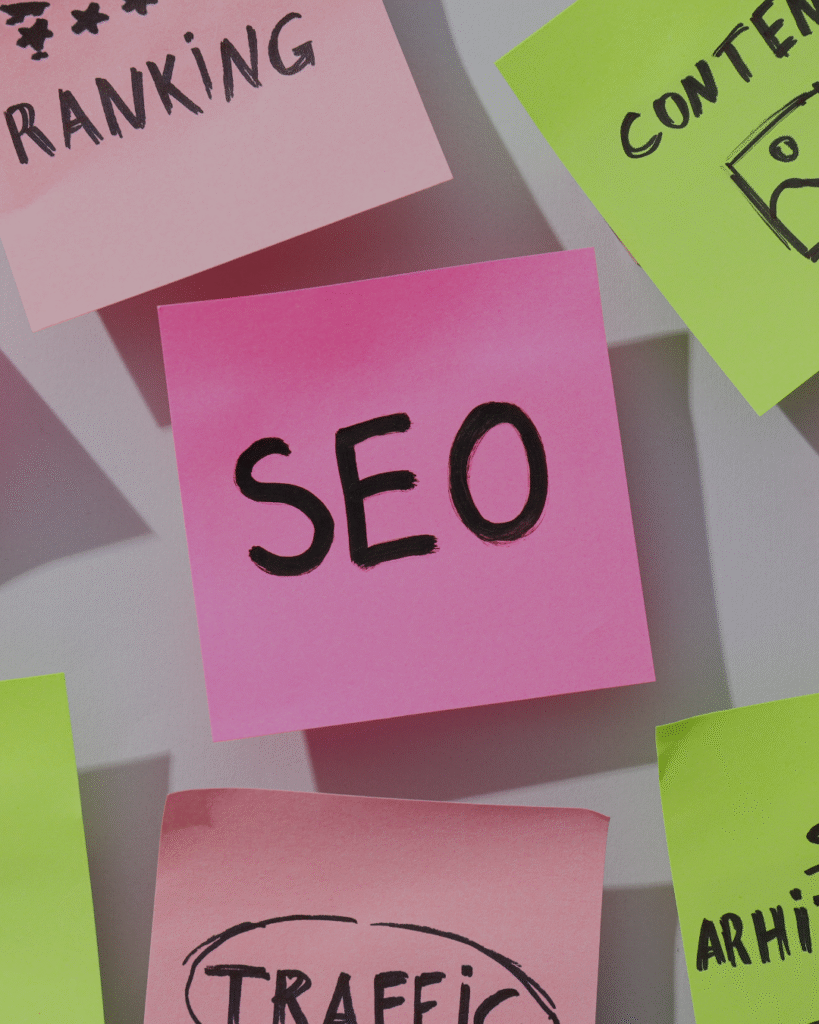
What Is SEO and How It Helps Your Website Rank on Google

In today’s digital world, having a website is not enough. However, getting people to actually find your website is the real challenge. This is where SEO comes into play. SEO helps search engines understand your website and show it to the right audience at the right time. Therefore, learning what SEO is and how it helps your website rank on Google is very important. What Is SEO in Simple Words SEO stands for Search Engine Optimization. Simply put, it is the process of improving your website so that it appears higher on Google search results. When your website is optimized properly, Google finds it more relevant and trustworthy. Moreover, SEO focuses on both content and technical improvements. As a result, your website becomes easier to read for users and search engines. Over time, this leads to better visibility and organic traffic. How SEO Helps Your Website Rank on Google SEO plays a major role in improving your website’s ranking. However, it does not work overnight. Instead, it follows a structured and long-term approach. Better Visibility in Search Results First of all, SEO helps your website appear on the first page of Google. Since most users do not go beyond the first page, ranking higher increases the chances of getting clicks. Consequently, your website receives more organic traffic. Improved User Experience Additionally, SEO improves website structure, page speed, and mobile friendliness. Because of this, visitors can easily navigate your site. Google prefers websites that offer a smooth user experience, which helps improve rankings. Key Elements of SEO That Improve Rankings SEO consists of several important elements. When combined properly, they help your website rank better on Google. On-Page SEO Basics On-page SEO includes optimizing content, headings, images, and internal links. For example, using proper headings and readable content helps search engines understand your page better. Furthermore, high-quality content keeps users engaged for longer. Off-Page SEO Importance Off-page SEO focuses on building trust through backlinks and online mentions. When other trusted websites link to your content, Google considers your website more reliable. As a result, your ranking improves gradually. Technical SEO Factors Technical SEO ensures that your website works smoothly. This includes site speed, mobile optimization, and secure connections. Therefore, a technically strong website has a better chance of ranking higher. Why SEO Is Important for Website Growth SEO is not only about rankings. Instead, it supports overall website growth in many ways. Long-Term Traffic Benefits Unlike paid ads, SEO brings long-term traffic. Although it takes time, the results last longer. Consequently, businesses can save advertising costs while still attracting visitors. Builds Trust and Credibility Websites that appear on top of Google are often seen as more trustworthy. Because of this, users are more likely to click on organic results. Over time, SEO helps build brand credibility. Common SEO Mistakes to Avoid Even though SEO is powerful, mistakes can slow down results. For instance, keyword stuffing can harm your rankings. Similarly, ignoring mobile users can reduce visibility. Therefore, it is important to focus on quality rather than shortcuts. Final Thoughts To sum up, SEO is a crucial part of digital marketing. It helps search engines understand your website and show it to the right audience. Although SEO takes time, it delivers long-term benefits like higher rankings, better traffic, and improved trust. If you want your website to rank on Google, investing in SEO is the smartest decision. When done correctly, SEO helps your website grow naturally and consistently.

digital marketing course

SEO, SMM, and PPC Explained in Simple Words

Digital marketing can feel confusing at first. Many beginners hear terms like SEO, SMM, and PPC but don’t clearly understand what they mean. However, these three methods are the backbone of online marketing. When used correctly, they help businesses grow visibility, traffic, and sales. So, let’s understand SEO, SMM, and PPC in very simple words. What Is SEO and Why It Matters SEO stands for Search Engine Optimization. Simply put, it is the process of improving your website so it appears on search engines like Google when people search for related topics. How SEO Works in Simple Terms Whenever someone types a query on Google, the search engine shows the most relevant results. SEO helps your website become one of those results. It focuses on keywords, content quality, website speed, and user experience. As a result, your site gains organic traffic without paying for ads. Moreover, SEO is a long-term strategy. Although it takes time, the results are lasting and cost-effective. Benefits of SEO for Businesses First of all, SEO builds trust and credibility. Secondly, it brings targeted visitors who are already interested in your product or service. Most importantly, it helps businesses get consistent traffic over time. Understanding SMM in an Easy Way SMM means Social Media Marketing. It involves promoting your brand, services, or products on platforms like Instagram, Facebook, LinkedIn, and Twitter. What Happens in Social Media Marketing In SMM, businesses create posts, reels, stories, and ads to engage users. The goal is not only sales but also brand awareness and relationship building. Therefore, content plays a very important role. Additionally, social media allows direct interaction with customers. This makes it easier to understand audience needs and preferences. Why SMM Is Important Today Nowadays, people spend a lot of time on social media. Because of this, SMM helps brands stay visible where their audience already exists. Furthermore, it is ideal for promotions, launches, and community building. What Is PPC and How It Works PPC stands for Pay-Per-Click. It is a paid marketing method where advertisers pay only when someone clicks on their ad. Simple Explanation of PPC Advertising In PPC, businesses run ads on platforms like Google Ads or social media. These ads appear at the top of search results or in user feeds. As soon as someone clicks the ad, the advertiser pays a small amount. Unlike SEO, PPC gives instant results. Therefore, it is useful for quick leads and immediate traffic. Advantages of Using PPC One major benefit of PPC is control. You can set budgets, target locations, choose keywords, and track performance easily. Also, PPC works well for competitive industries where organic ranking is difficult. Difference Between SEO, SMM, and PPC Although SEO, SMM, and PPC are all digital marketing methods, they serve different purposes. SEO focuses on long-term organic traffic.SMM builds engagement and brand presence on social platforms.PPC delivers quick results through paid advertising. However, the best results come when all three are used together. For example, SEO brings steady traffic, SMM builds trust, and PPC boosts conversions. Which One Should You Choose First Choosing between SEO, SMM, and PPC depends on your goals. If you want long-term growth, SEO is ideal. On the other hand, if your brand needs visibility, SMM works best. Meanwhile, PPC is suitable for instant leads and promotions. That said, beginners and small businesses often start with SEO and SMM, then slowly invest in PPC once they understand their audience. Final Thoughts To sum up, SEO, SMM, and PPC are essential pillars of digital marketing. Each method has its own strengths and purpose. While SEO helps you rank naturally, SMM connects you with people, and PPC delivers fast results. Therefore, understanding these strategies in simple words makes digital marketing easier to learn and apply. When used together in a balanced way, they can help any business grow successfully online.

Scroll to Top

Download Brochure

Start Your Career at Delhi’s #1 Institute